Hotel Modern

Premiere year 2017 Archive
Banana and Oyster Knife

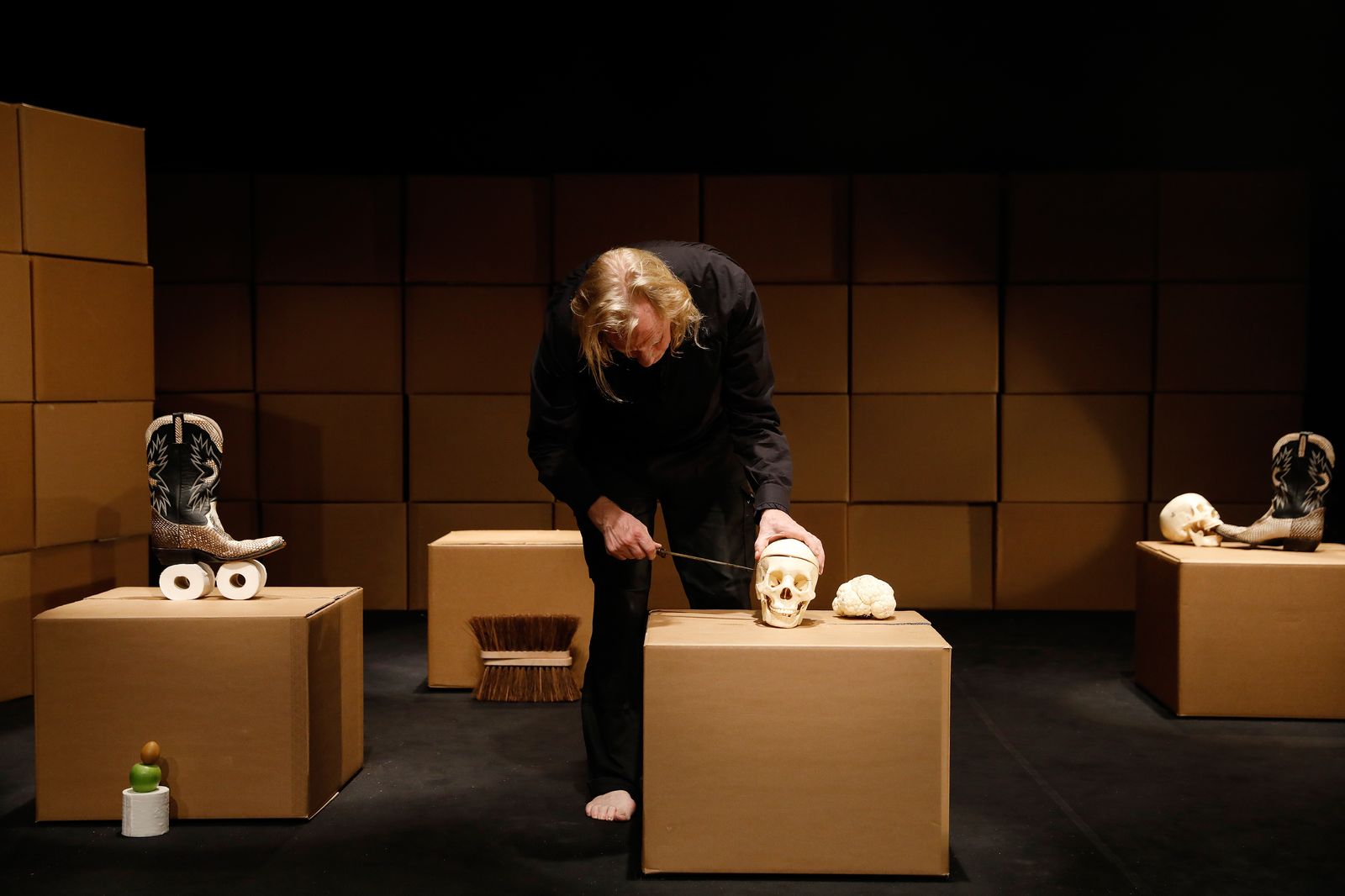
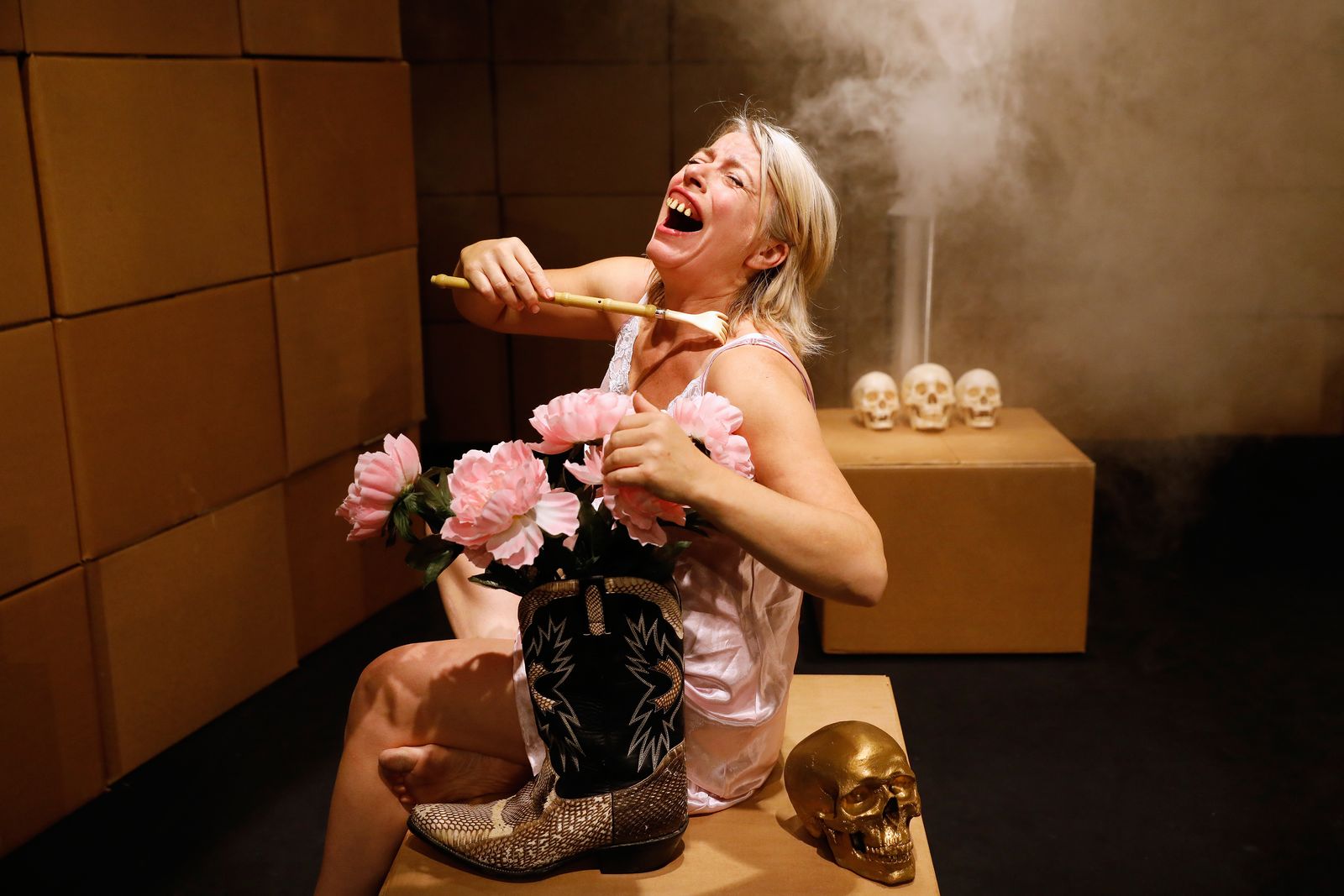
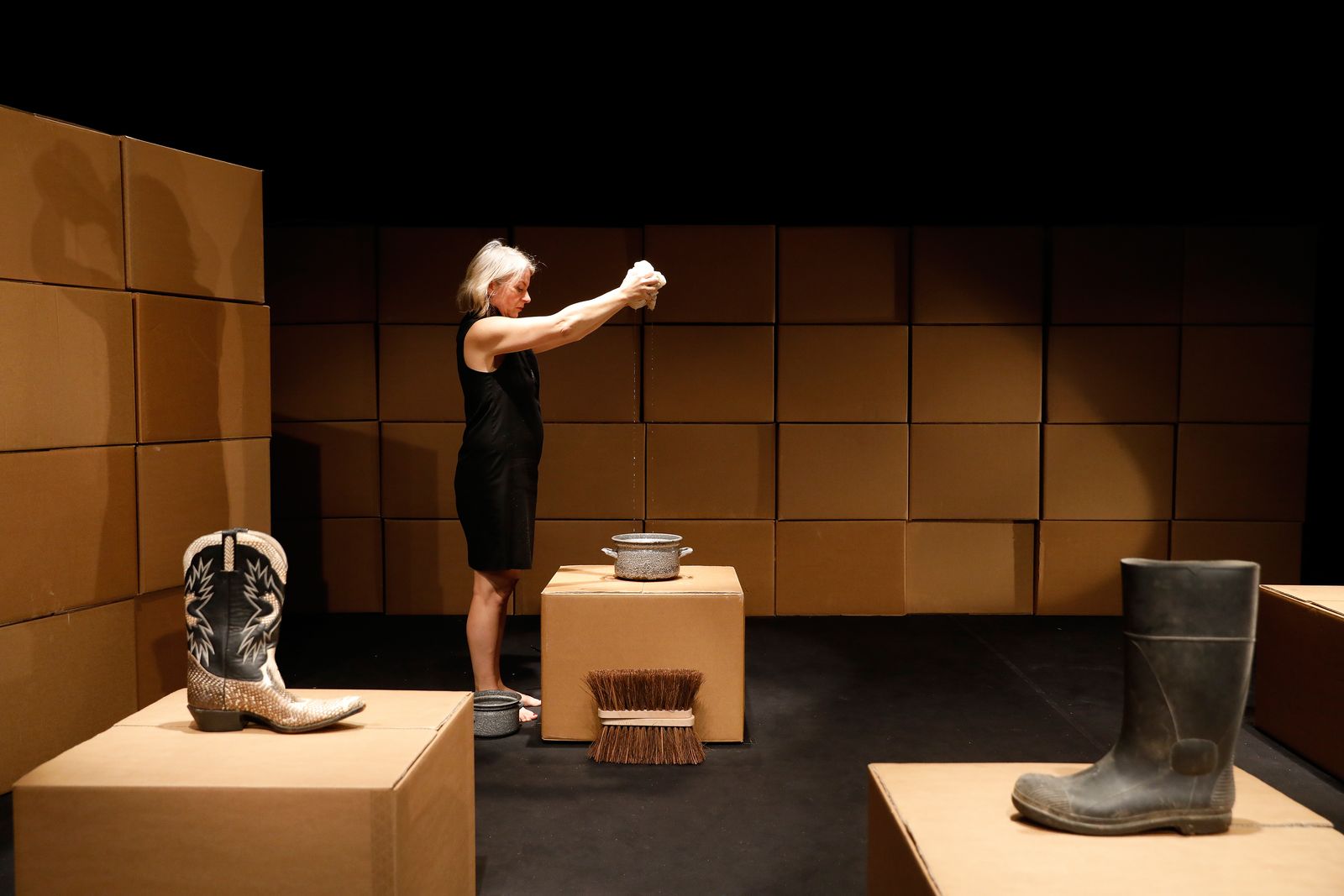
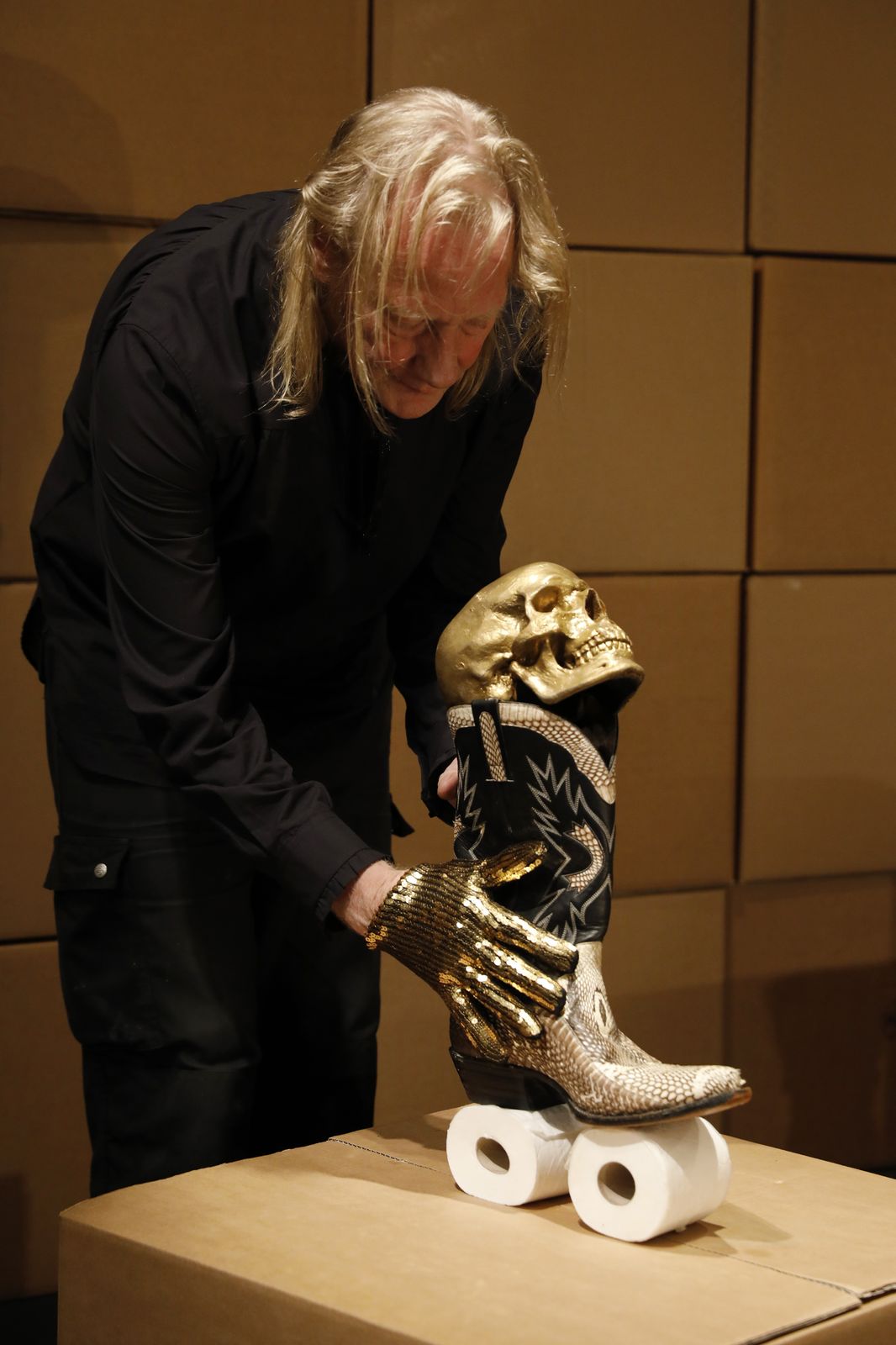
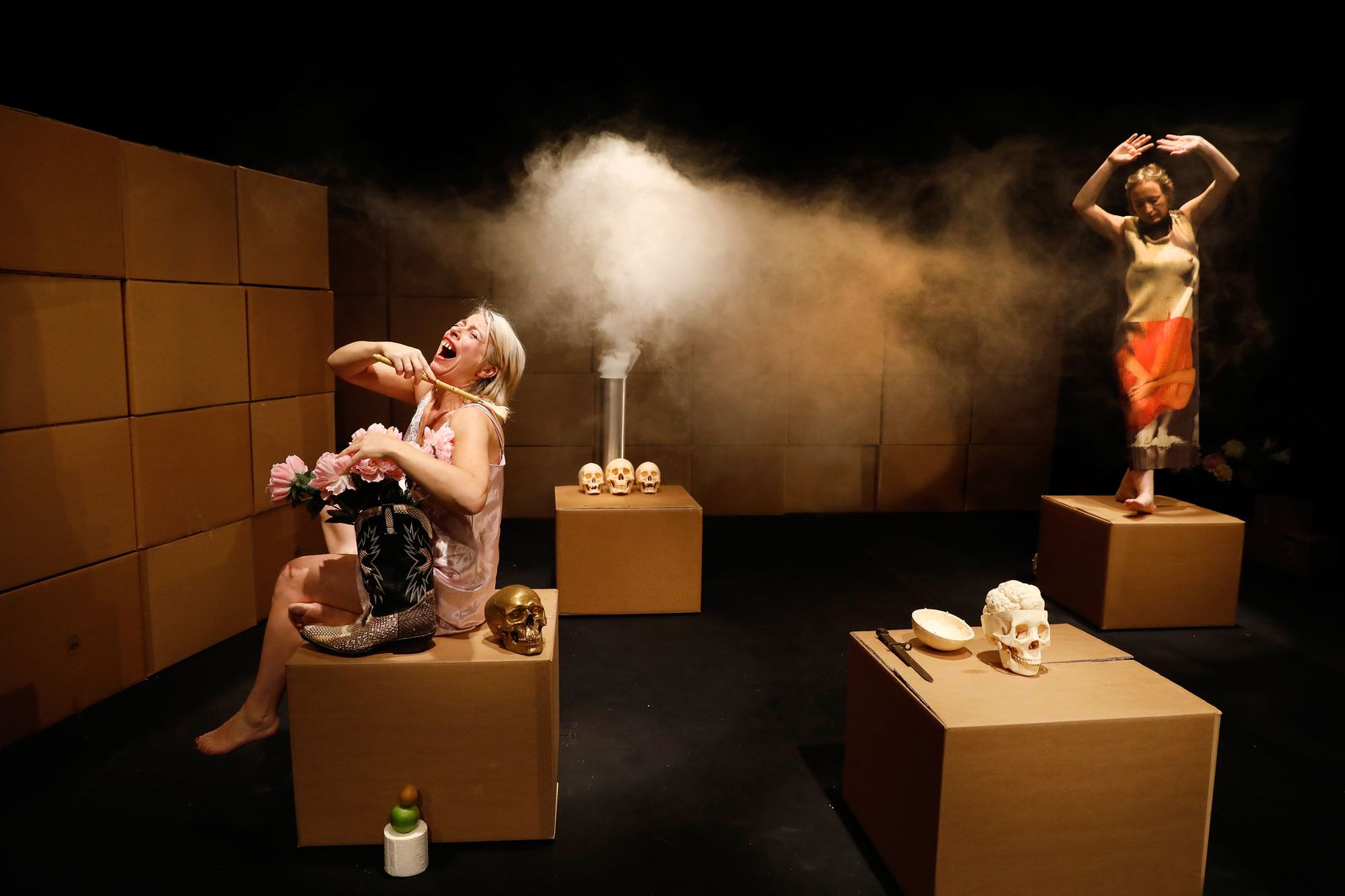
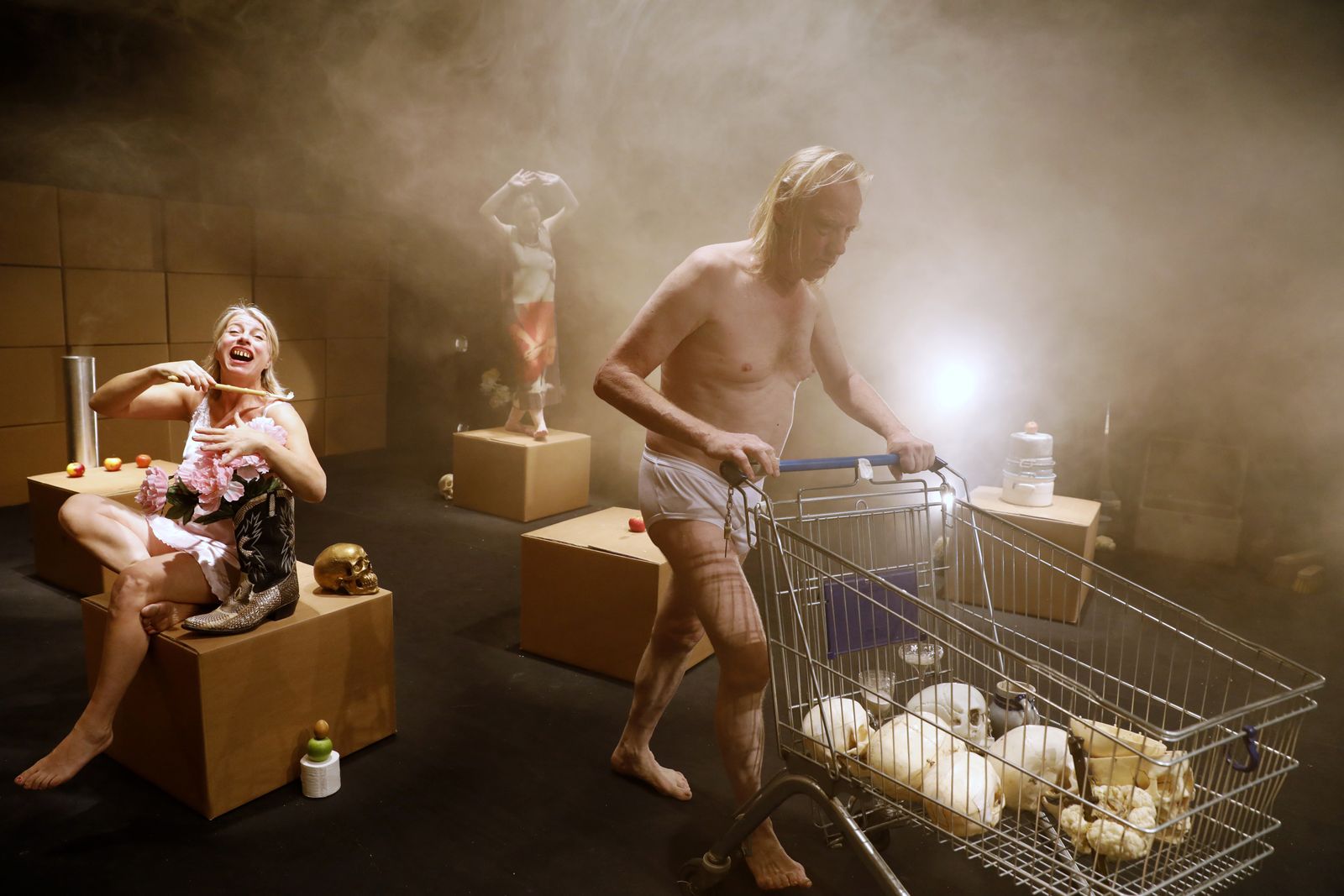
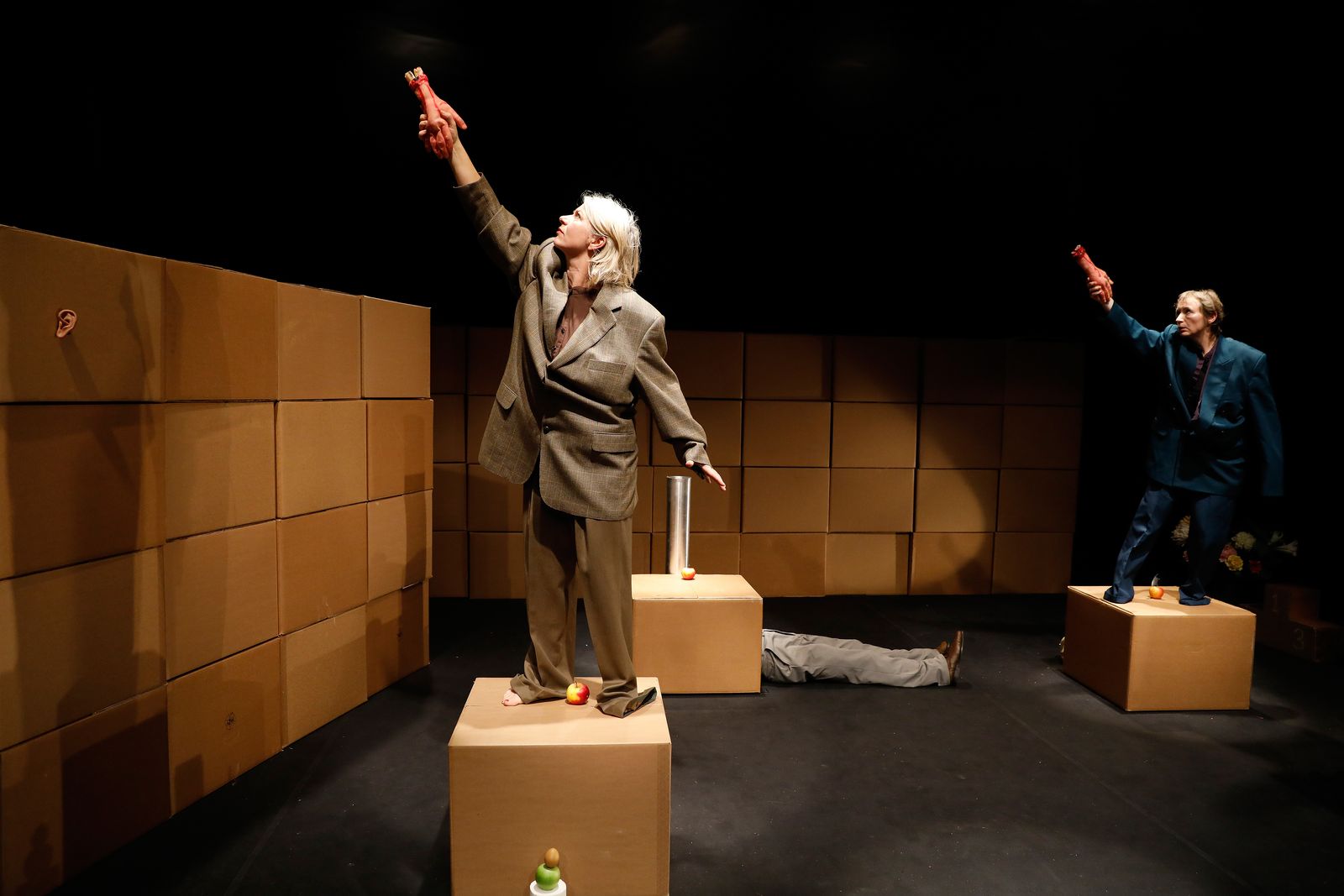
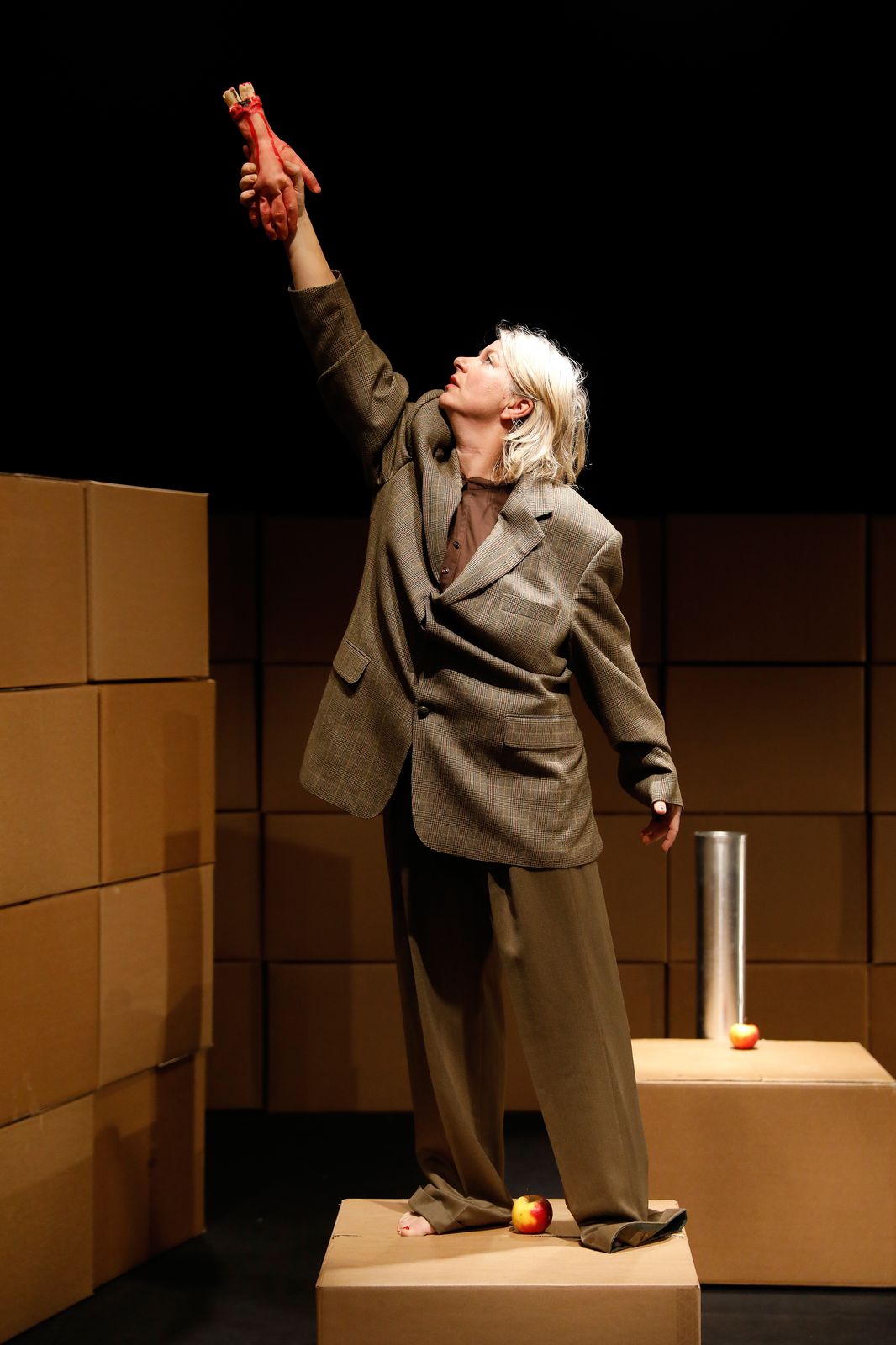
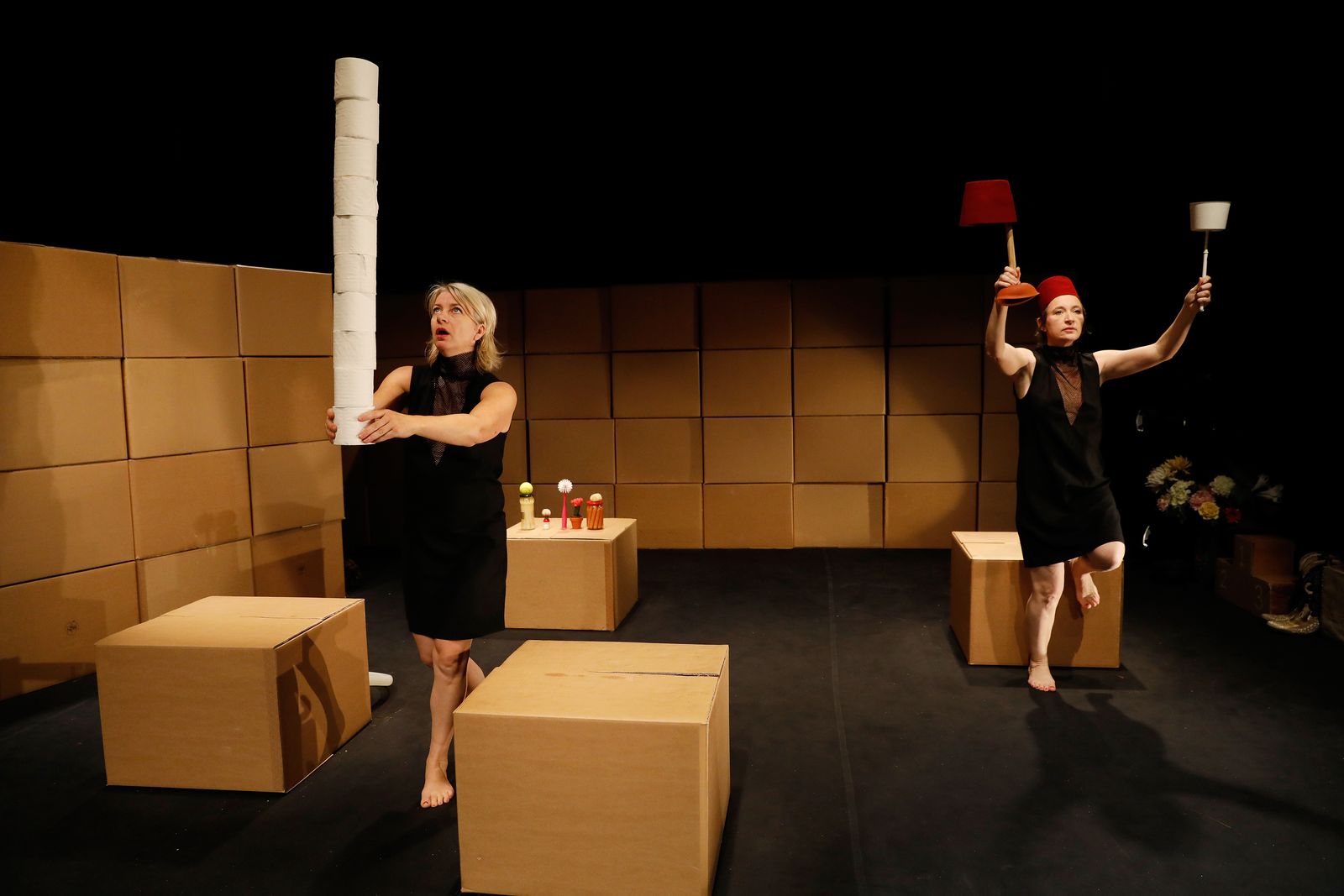
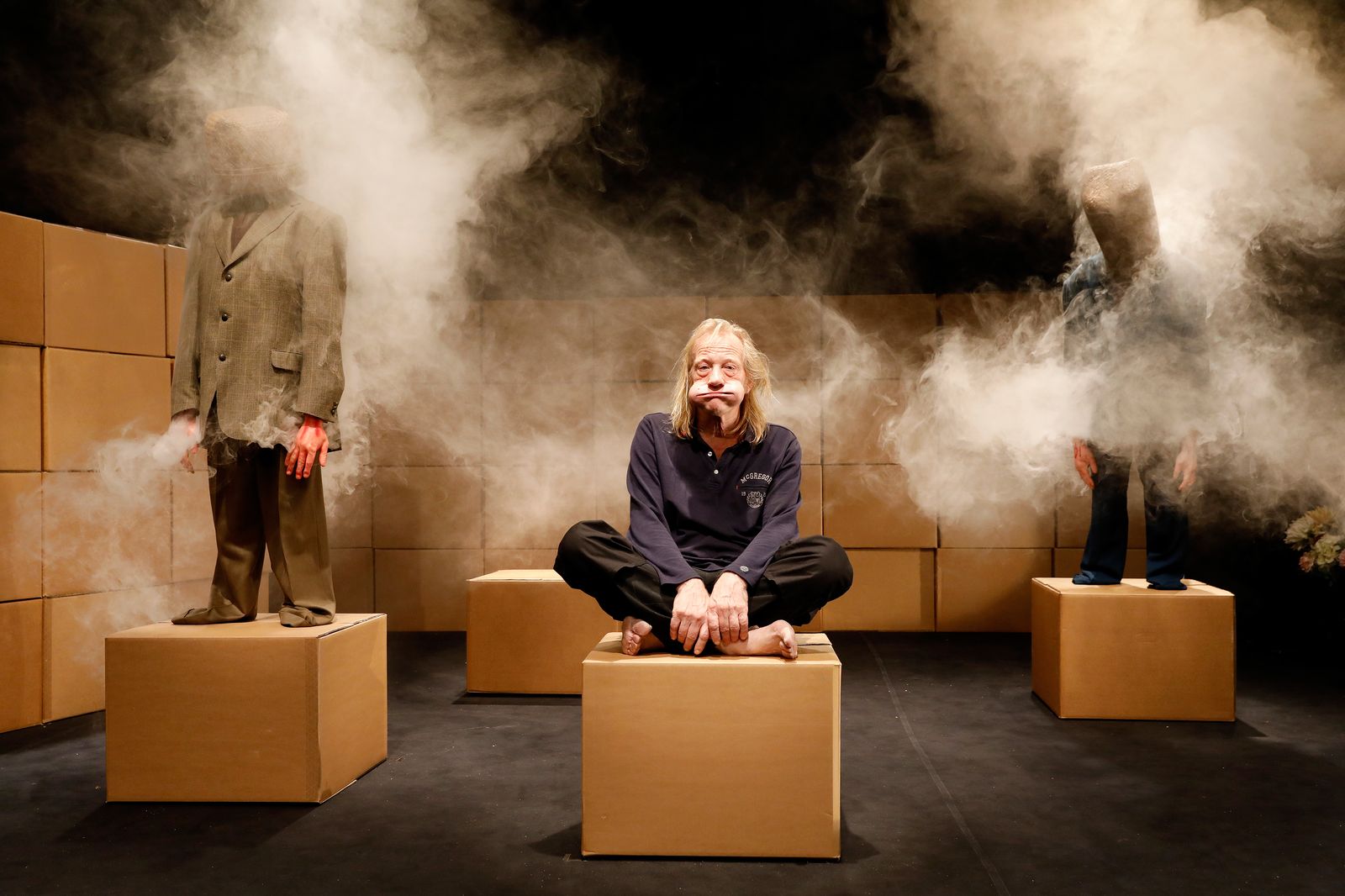
A museum built of cardboard rises from the stage, and on display are all the things that humanity produces: anything from toilet brushes to jars of peanut butter and from soldiers helmets to fragments of human bones. Three performers are making frantic efforts to categorise and group objects from this huge mound of stuff.

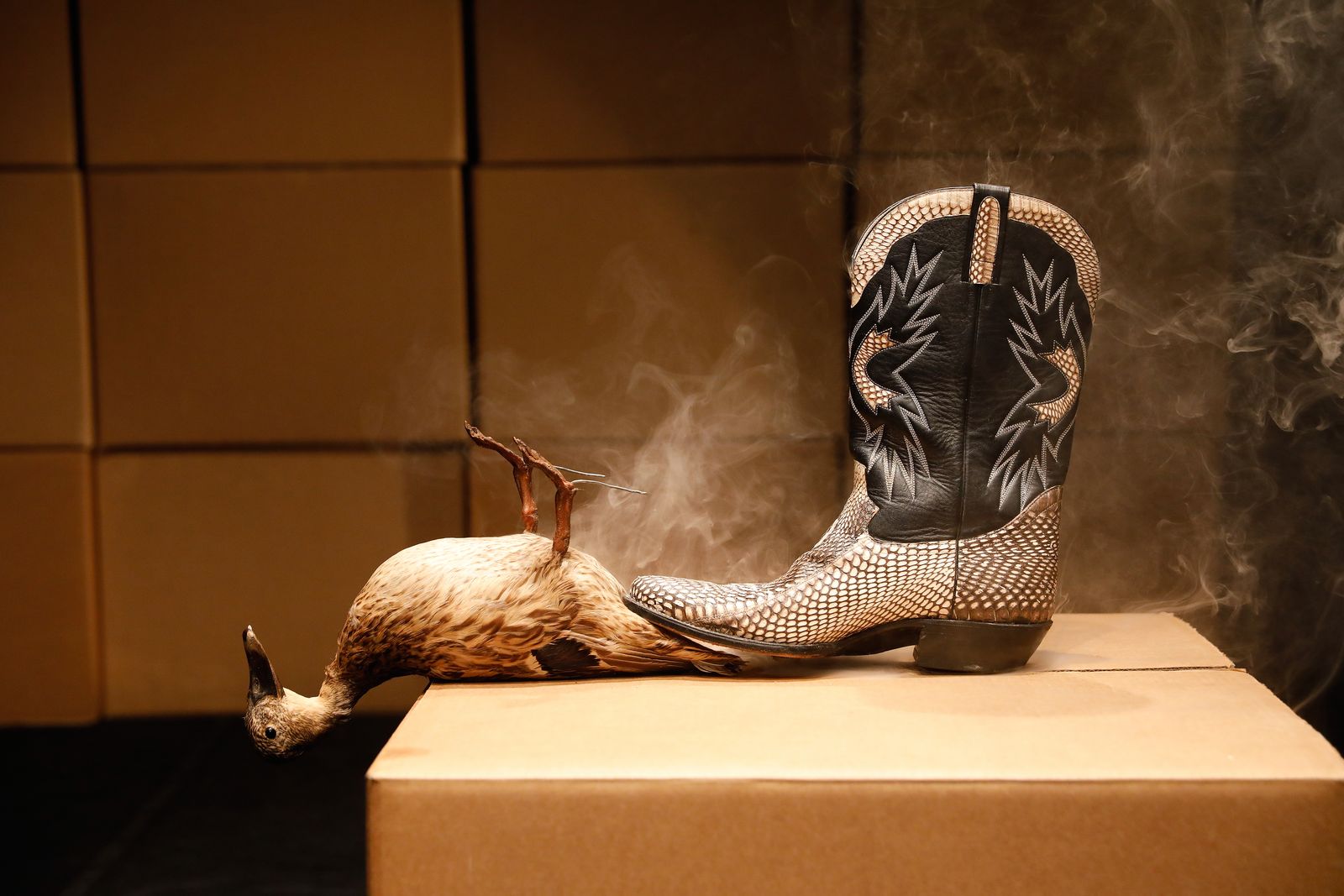
In the process they create fascinating still lives, discover what connects cauliflowers, skulls and bath sponges, squeeze poetry from a Toilet Duck bottle, and arrange a meeting between a balloon and a cactus. Their dizzying quest for ever more group sculptures leads them to the discovery of the wild, swirling source of human intelligence and creativity.

"In Banana and Oyster Knife everything happens on a scale of one to one, with a preference for light horror and wacky humor. This performance offers cheerful image theatre for designers and other viewers." (Theaterkrant)

"In a minimalist decor in which cardboard boxes serve as pedestal, the three members of Hotel Modern associatively group all kinds of stuff on color, shape and meaning, thereby creating witty and sometimes poetic stories. Effortlessly everyday objects transform into art. When one performer chooses a cauliflower, the next one comes with a tennis ball and the last one adds a bread roll. In a series of cheerful and sometimes wistful images a range of human creations is exhibited, from a stuffed baby deer to a bottle of Toilet Duck. Together they form a beautiful, graceful ode to human striving." (Volkskrant)

"Banana and Oyster Knife possesses the theater group's alienating style and humor. A stream of images, association upon association, is played out as a competition in creativity in which the performers try to outdo each other time and again." (NRC Handelsblad)

"Hotel Modern could have easily relied on their success formula. The choice to not meet expectations and choose another path shows great courge.

Banana and Oyster Knife offers an experiment that many theater companies no longer deem necessary or dare to make. For that reason alone, this performance is worth the visit." (8Weekly)
Credits

Concept, stage design and cast members Pauline Kalker, Herman Helle, Arlène Hoornweg Assistant Maartje van den Brink Technician André Goos Assistant technician Joost ten Hagen Poster image and illustrations Harriet van Reek Graphic design Sibe Kokke Photography Bas Czerwinski Subsidy Performing Arts Fund NL, City of Rotterdam

In the press

In dat opzicht maak je een denkbeeldige ruimtelijke reis mee. Tevens reis je door je eigen (culturele) associaties, van de weerzinwekkendheid van opgezette dode dieren, de kortstondigheid van wegwerpdingen tot de banaliteit van verpakkingen. Huiselijke voorwerpen worden beeldende kunst. Uiteindelijk reis je via het aanschouwen van opgezette dode dieren tot mensobjecten door verleden, heden en toekomst. Ik vond het prachtig.

2018 Read the full review here

De mens omringt zich met dingen. Heel veel dingen. Bij veel van die dingen staan we maar zelden stil, maar daar maakt Hotel Modern rigoureus een einde aan. Op het podium staan achter en links twee hoge wanden van kartonnen dozen (dozen bergen de belofte van dingen in zich). In het midden is het strijdperk, op zes van die dozen die de rol van sokkel spelen. Daarop zetten Herman Helle, Arlène Hoornweg en Pauline Kalker om beurten een voorwerp. Als er iemand aan de beurt is, denken de anderen na ov

Theaterkrant, 5 november 2017 Read the full review here

Ik merk dat ik de objecten op de speelvloer ga zien zoals ik ze als kind kon zien: niet als simpele gebruiksvoorwerpen, maar als dingen waar je van alles en nog wat mee kunt maken. […] De keuze van Hotel Modern om nu niet te voldoen aan verwachtingen en een andere weg in te slaan, getuigt van groot lef. Banaan en Oestermes is een vormoefening die veel gezelschappen niet meer nodig achten of aandurven. Alleen al daarom is deze performance de moeite waard.

8Weekly, 13 november 2017 Read the full review here

We creëren moderne stillevens door allerlei alledaagse spullen bij elkaar te zetten. We doen een poging opnieuw te leren kijken, geïnspireerd op het schilderkunstige genre van het stilleven in de zeventiende eeuw: een flonkerende roemer naast een schedel die daarbij dof afsteekt, een luxe tinnen teljoor waarop een gekaakte haring ligt. Het waren symbolische, onderrichtende miniatuurvertellinkjes. Allerhande spullen kregen opeens een andere, soms een diepere betekenis.

4 januari 2018 Read the full review here

Videos